A brand people could use consistently
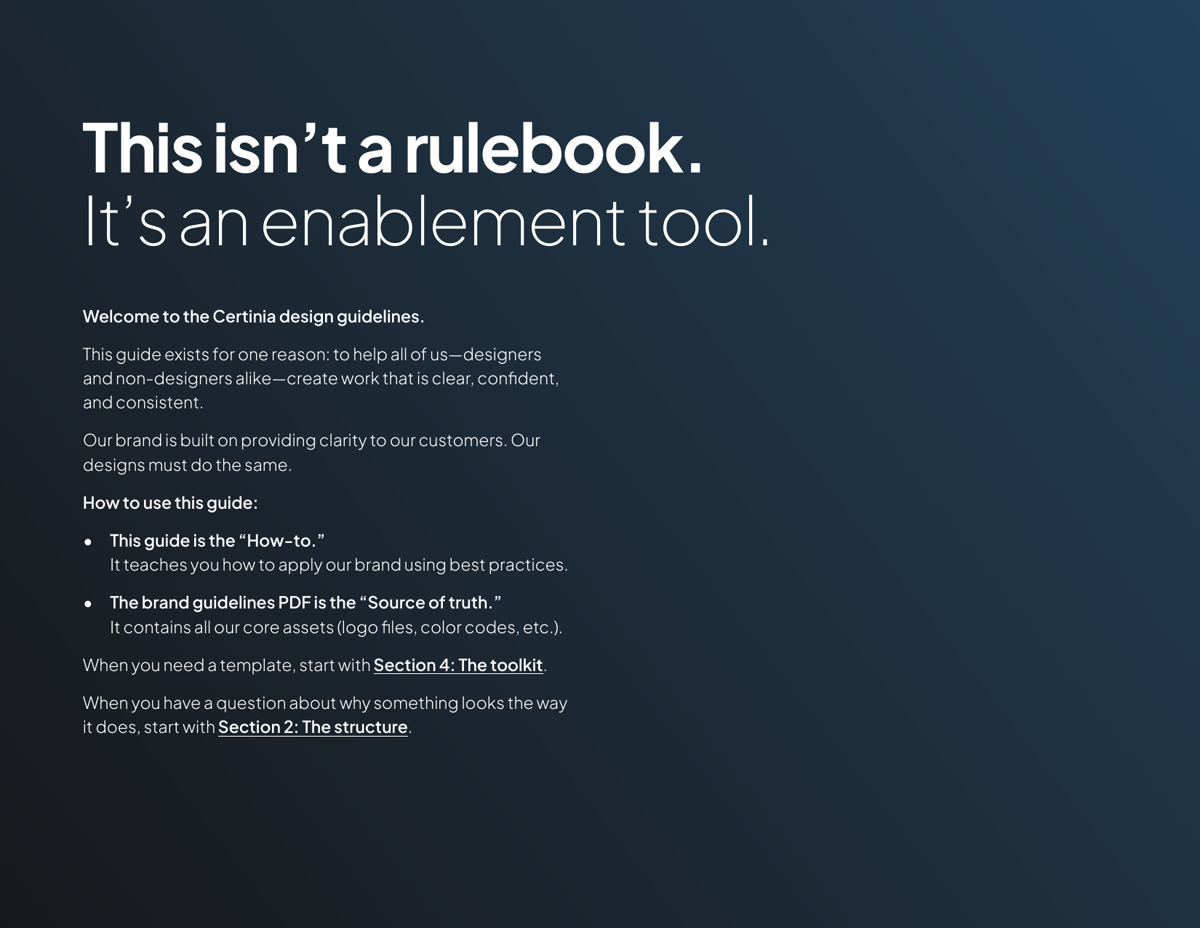
Practical guidance for agencies, contractors and internal teams.
Ten secondary colours became four, each with a reason.
Case studyBrand strategy and creative judgement, built into the tools your team already uses, with everything checked before it goes out.
One brand system, three results
85 → 12
Teams from the CEO to pre-sales made their own work with the brand’s skills, and jobs that took a day took minutes.
15 min
It used to take an afternoon.
60 s
In the website prototype, which won the budget for the re-platform.
Practical guidance for agencies, contractors and internal teams.
Ten secondary colours became four, each with a reason.
Case studyThe production work behind the systems
Case study
He helped shift us from thinking about design systems as a standalone discipline to building agentic workflows directly into individual workstreams, creating systems that made the broader team faster, more capable, and more self-sufficient.
“Patrick is one of the rare few with the confluence of skills to excel in the agentic era.”

“I’ve worked with Patrick for over 3 years, and he has consistently demonstrated an uncommon ability to balance creativity, strategy, and execution.”
Anyone can make content with AI now, and it’s only as on-brand as what the AI was given to work from. So the brand has to live where people ask, and what they make has to be checked before it goes out.
Strategy, positioning, voice and identity, written down as everything a new starter would need to know, so people and AI can both work from it. The AI reads it fresh every time, so nothing relies on it remembering.
See it at Dremio
More and more, “is this on brand?” gets asked in the AI tool people already use, not on a brand site or in a PDF. So that’s where the handbook goes, with a workflow for almost anything they need to make, from decks and social posts to one-pagers and ebooks.
See it at Dremio
Every deck, page and advert is rendered and measured against the brand before it’s shared or published, from colour and logo clear space to margins, type and clipped text. If a check fails, it gets fixed or flagged. Routine brand checks happen automatically. A new campaign, or a call on creative direction, goes to whoever your company says signs it off.
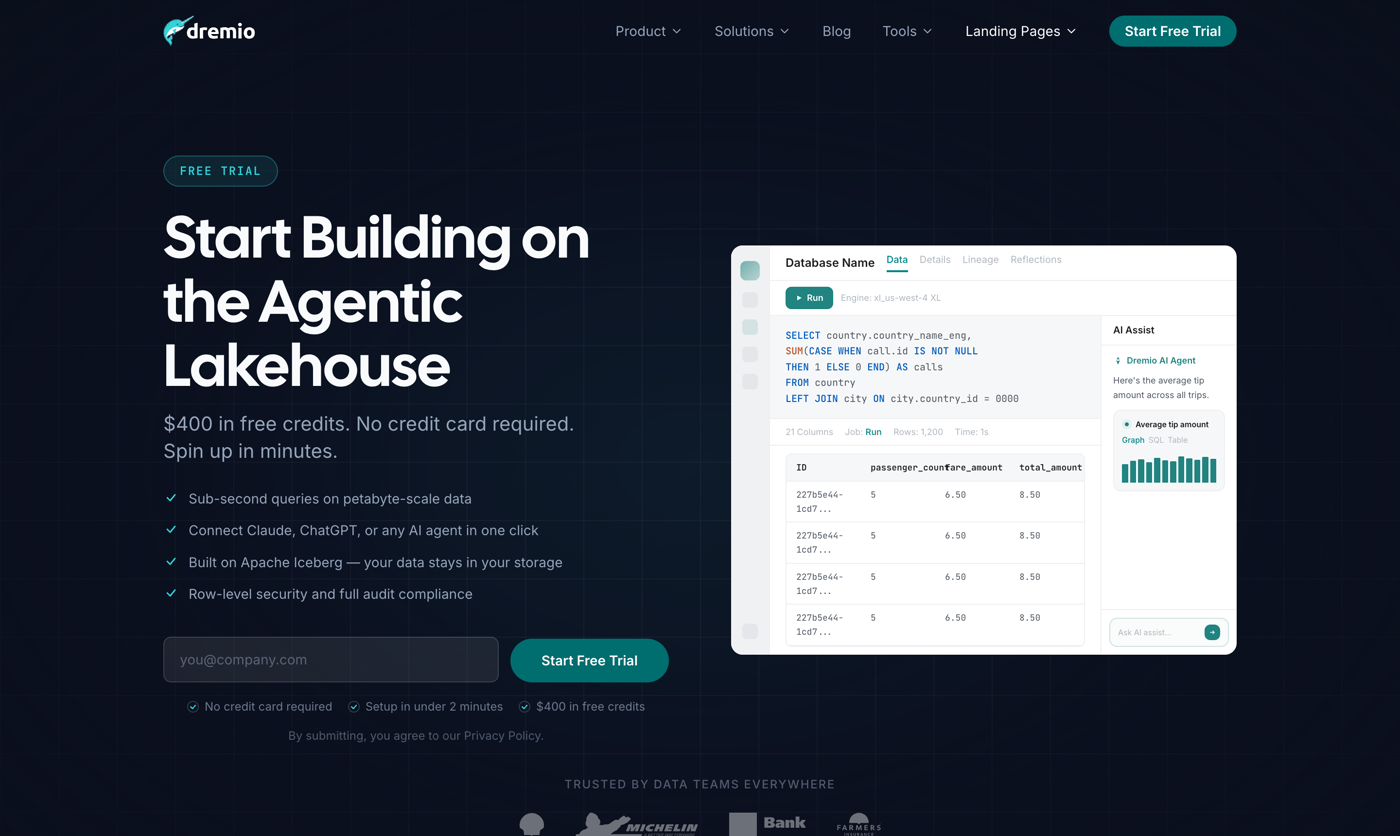
See it at DremioAs a project or a permanent role, it starts with one problem worth fixing. You don’t need a whole new brand to fix it.
The brand is defined, but people find it hard to apply. Its strategy and guidelines become practical rules, templates and shared context that your team and its AI can work from.
At Certinia, the guidance was split by function, so agencies, contractors and internal teams worked from the same rules.
One recurring job keeps queueing, such as decks, campaign assets or web pages. It gets a workflow in the tools you already use, tested with the people who’ll use it every week.
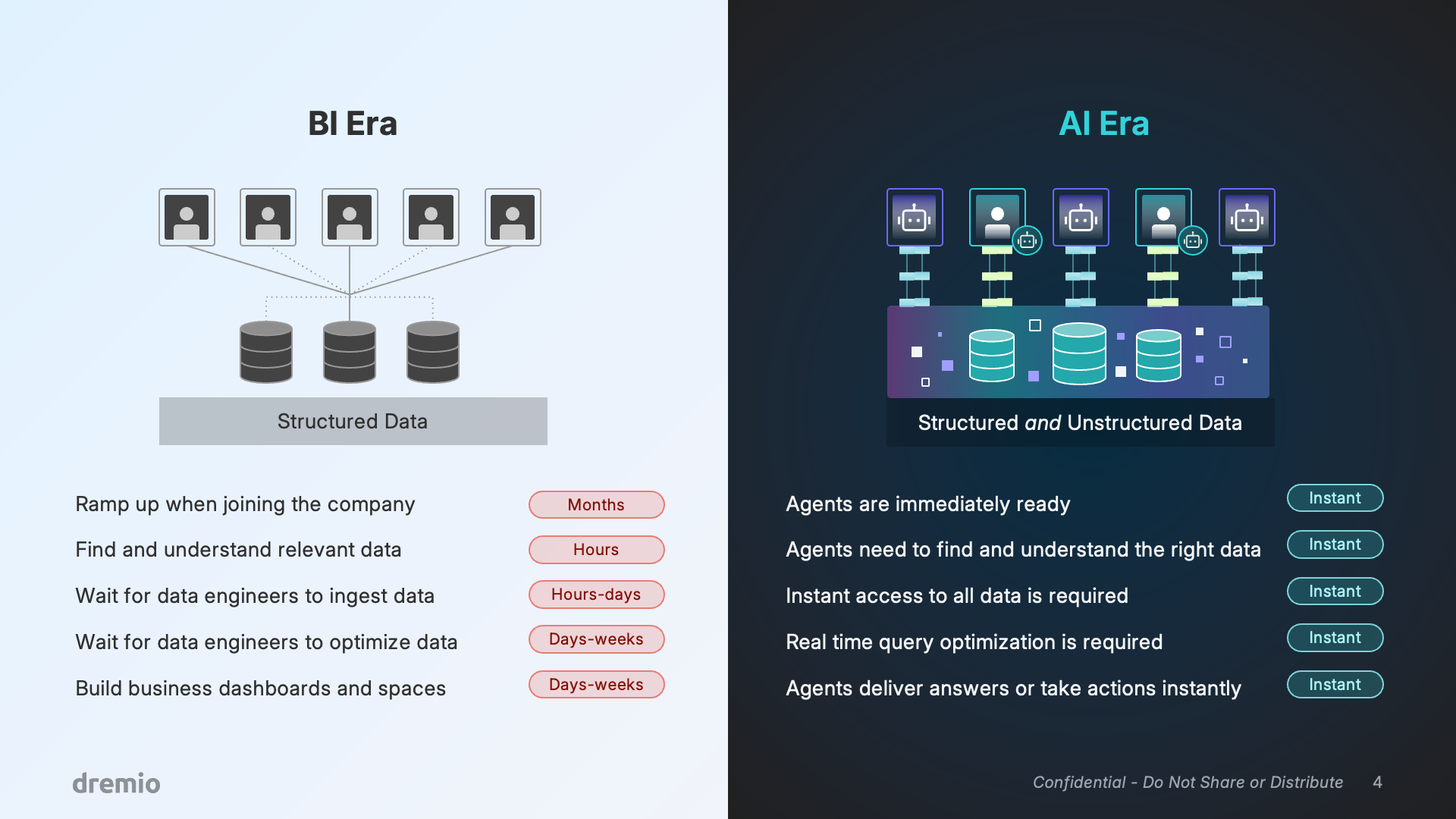
At Dremio, a legacy deck went from an afternoon to 15 minutes.
The brand needs clarifying before it can scale. Strategy, positioning and identity come first, then the workflows and checks that carry them across the team.
At Dremio, that meant a written strategy, an identity aligned with the website, and 17 skills built from one handbook.
Where production gets stuck, and who it slows down.
What gets built, who owns it, and how you’ll know it worked.
With the people who’ll use it, in the tools they already use.
Documented, with a named owner on your side.
Support to extend it, if you want it.
Your team learns it while it’s built, and it runs without me.
Tell me what’s stuckBrand guidelines leave a lot for the reader to work out. AI fills those gaps too, but its assumptions may have little to do with your brand.

I started out as a barber cutting hair, which taught me that everything you create is an advert for whoever made it. Every cut walks out of the door with your name on it.
Marketing turned out to be the same, just bigger. I joined FinancialForce, now Certinia, as a marketing apprentice, and over eight years I picked up each part of the creative work and ran it myself: creative for EMEA first, then video for the whole company, then brand and creative as Creative Manager. Every deck, advert and video went out as an advert for the company, and most were made by people working from guidelines that were hard to put into practice. So my focus shifted towards making it easier for them to make something good, alongside making things myself.
Now people use AI to make that content, and it still goes out with the company’s name on it. That’s what I build for at Dremio: a handbook people and their AI work from, and a check on what they make before it goes out. I still make things myself. I’d just rather everyone around me could make something good too. If you can help somebody, why wouldn’t you?